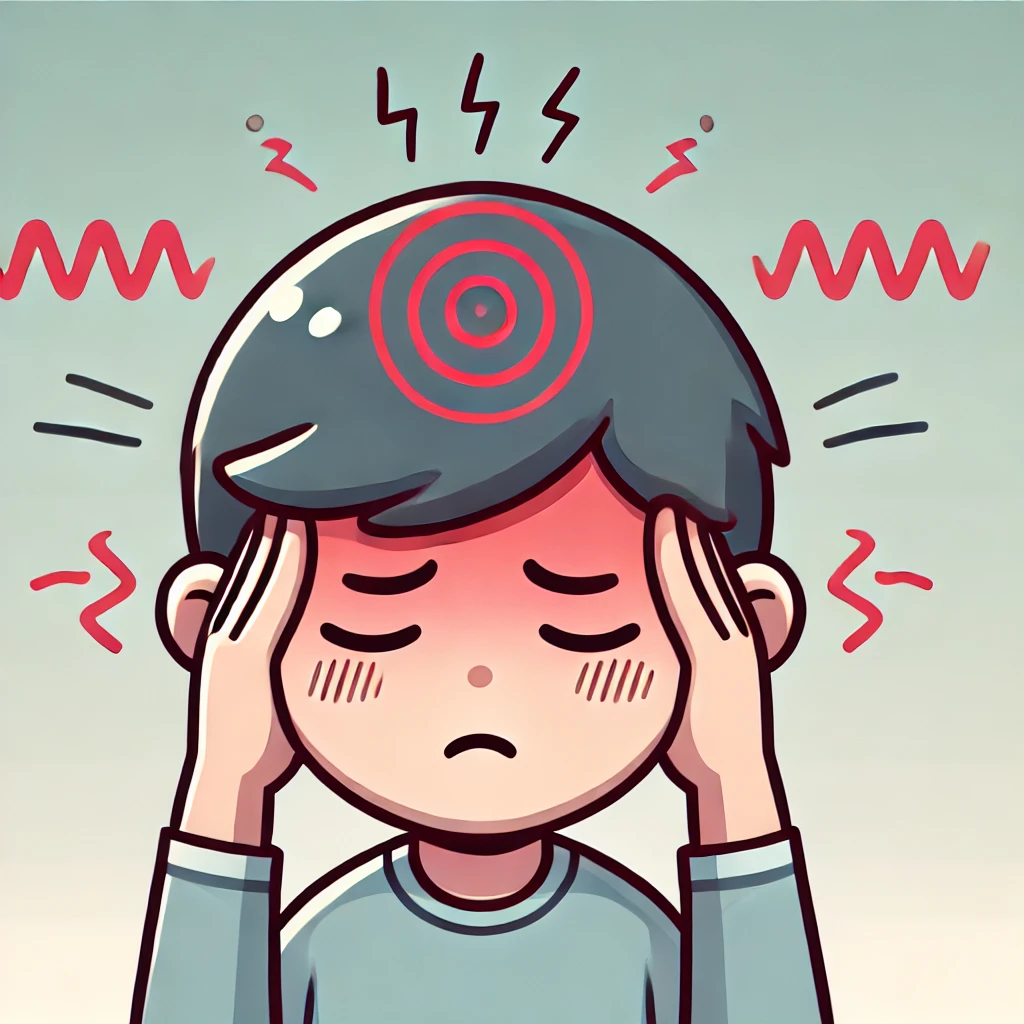
Around 95% of the general population have experienced headaches at some stage in their life, with nearly one-in-two suffering a significant headache at least once a year. But a headache/ migraine isn’t always a simple diagnosis or a simple fix as there are many different types and contributing factors.
TYPES: DID YOU KNOW?
There are over 200 different types of headaches, however there are three that are the most common, accounting for over 90% of all incidents.

Cervicogenic Headaches (CGH)
Cervicogenic headaches occur when pain is referred from a specific source in the neck, up into the head. CGH symptoms often occur on one side of the neck or head, sometimes causing pain around the eyes. A CGH is a secondary headache, caused by a pre-existing physical or neurologic condition. CGH are the most common type of headaches that we see an osteopath’s at South Coast Osteo.
Tension-type Headache (TTH)
This is the most common type of headache and affects 60–80% of the population. These headaches are associated with mental stress and/or postural tension. They are felt as tightening or pressure on both sides of your head.
Migraines
Migraines are the next most common headache, with an overall prevalence of 15%, although these are more dominant in females and they are more than twice as likely as men to suffer. Whilst there are many causes of a migraine, they can be triggered from issues in the upper neck. Often, they affect one side of your head and can cause issues with sight or sound sensitivity. In extreme cases they may cause abdominal pain, nausea, and vomiting.
An osteopathic consultation will always start with a comprehensive history including medical history; past accidents, illnesses, surgery or anything else that may relate to the headaches. We will be interested in the pattern, triggers and symptoms of the presenting pain and will be trying to find out what has contributed to the onset and continuity of the headaches.
Your osteopath may ask you about your work, stress, diet, hobbies, exercise habits, interests, recent eye checks or prescription glasses, or changes in medications and if there has been anything else you have changed recently or done differently that may have caused increased tension to your upper back and neck. In the physical assessment osteopaths will look at how headaches and migraines may be influenced biomechanically from other body regions like the neck, jaw, and upper back. This whole body approach means the osteopath may be able to reduce pain and improve mobility more efficiently. Osteopaths see both acute and chronic headaches / migraines.
So why not try an osteopath today to see if there is anything we can do to help support you in feeling your best