Insights from Joshua Pate
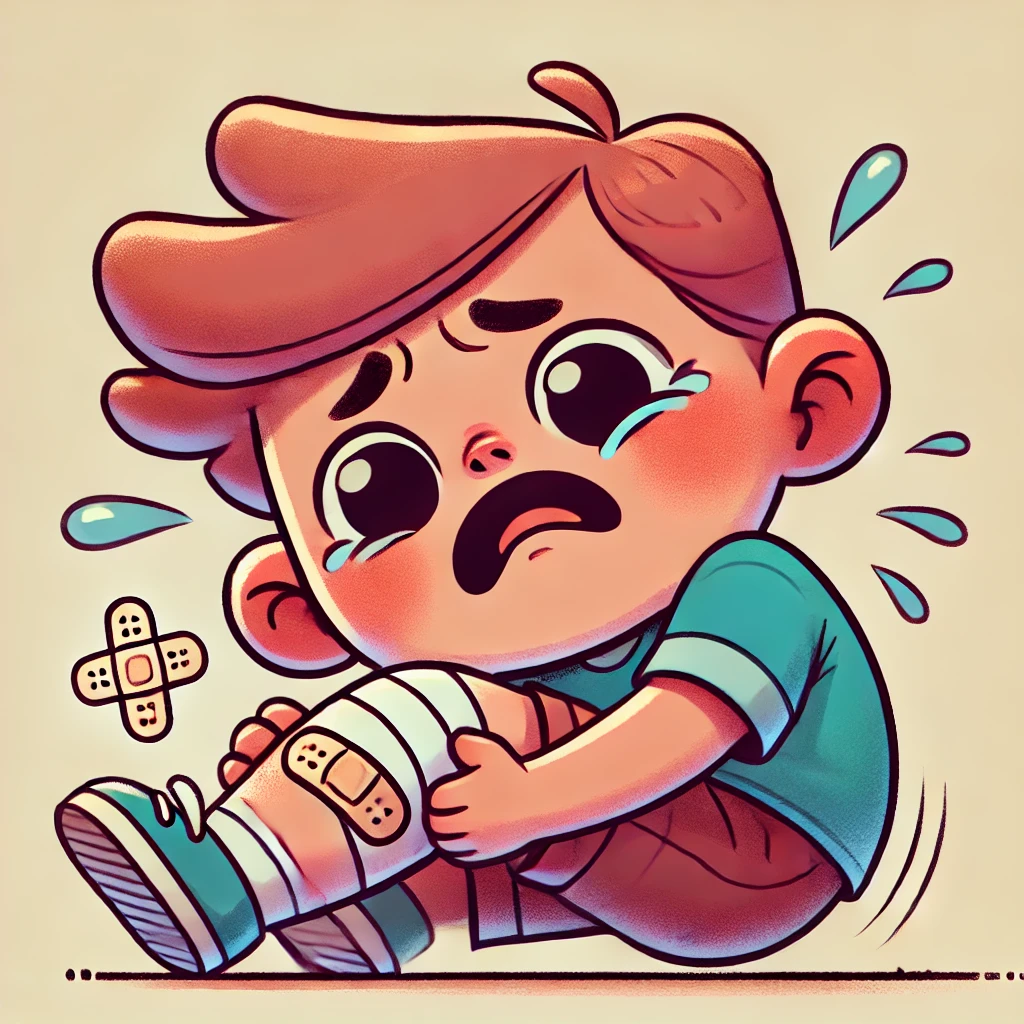
Pain can be a tough subject to talk about, especially with children. When a child experiences pain—whether it’s from a scraped knee, a chronic condition, or something more complex—they often feel confused, scared, or frustrated. Helping them understand and process their pain is essential for their emotional and physical well-being.
One person leading the conversation around explaining pain to kids is Joshua Pate, a renowned pain scientist and educator. Through his research and work, Pate has developed strategies to help children understand pain in a way that’s both empowering and comforting. His approach focuses on demystifying pain and giving kids the tools they need to cope with it effectively.
In this blog post, we’ll explore how you can talk to kids about pain, drawing on key insights from Joshua Pate’s work.
1. Start with the Science: What is Pain?
Pain is often misunderstood, even by adults, and kids may struggle to grasp what it is and why it happens. Joshua Pate emphasizes the importance of explaining pain in simple, science-based terms that children can relate to.
- Pain is a Signal: Explain to kids that pain is like a signal their body sends to let them know something needs attention. You can say something like, “Pain is your body’s way of telling you it needs help, just like when your tummy rumbles because it’s hungry or when you feel thirsty and need water.”
- Pain Doesn’t Always Mean Damage: One of the key concepts Pate teaches is that pain doesn’t always equal injury. Sometimes, even when there’s no physical damage, the brain can still send pain signals. For example, if a child has recovered from an injury but still feels discomfort, explaining that the body is just being extra cautious can help reduce fear and confusion.
By using relatable analogies and breaking it down into manageable concepts, you help kids see pain as something their body is doing to protect them, rather than something scary or mysterious.
2. Validate Their Feelings: Pain is Real, No Matter What
One of the biggest lessons from Joshua Pate’s work is the importance of validating a child’s pain, no matter how big or small it may seem.
- Acknowledgment Matters: Even if the pain appears minor to you, it feels very real to the child. Pate stresses the importance of listening and validating their experience. Saying something like, “I believe you. I know it hurts,” can help children feel understood and supported.
- Create a Safe Space to Express Pain: Allow children to talk openly about what they’re feeling. Ask them to describe their pain: Is it sharp or dull? Does it come and go? Giving them the language to express pain can make it less overwhelming and help them feel more in control.
Key Insight: Kids need to feel heard. By acknowledging their pain, you’re showing them that what they feel is important and that it’s okay to talk about it.
3. Teach Them About the Brain’s Role in Pain
One of Pate’s most valuable contributions is his focus on the brain’s role in processing pain. He explains that the brain plays a central role in how we experience pain, which can be empowering for children to understand.
- The Brain Can Get “Tricked”: You can explain to children that sometimes the brain sends pain signals even when there’s no real danger. Use a playful analogy like, “It’s like when your fire alarm goes off, but there’s no fire. Your brain is being extra careful, but it’s a false alarm.” This helps kids understand that just because they feel pain, it doesn’t necessarily mean something is wrong.
- Pain as a Protector: Reframing pain as the body’s way of keeping us safe can be comforting. Pate suggests telling children, “Your brain is trying to protect you, even if it doesn’t need to right now. It just wants to make sure you’re okay.”
Key Insight: Helping kids see pain as a signal from their brain, rather than something they can’t control, gives them a sense of power and understanding over their own body.
4. Tools for Coping with Pain
Once children understand what pain is and how their brain is involved, you can introduce some pain management strategies. Joshua Pate emphasizes the importance of teaching kids coping techniques that help them feel more in control when they experience pain.
- Breathing Exercises: Teach kids simple breathing techniques to calm their nervous system when they feel pain. Slow, deep breaths can help reduce the brain’s perception of pain and make them feel more relaxed.
- Distraction: Sometimes, shifting focus away from the pain can help children cope. Encourage them to engage in a favorite activity, whether it’s drawing, reading, or playing a game.
- Mindfulness: Help them tune into their body and recognize how their feelings change over time. Saying something like, “Let’s sit quietly for a minute and notice how the pain changes,” can help them feel more in control.
Key Insight: Giving kids practical tools to manage pain makes them feel empowered, reducing fear and anxiety.
5. Normalize Pain and Encourage Curiosity
One of Pate’s key messages is that pain is a normal part of life, and while it’s not fun, it’s not something to fear. Normalizing pain and encouraging kids to be curious about their bodies can remove some of the mystery and fear surrounding it.
- It’s Okay to Ask Questions: Encourage kids to ask questions about their pain. You can say, “It’s great that you’re asking about how your body works! The more you know, the better you can take care of yourself.”
- Everyone Feels Pain: Let them know that pain is something everyone experiences at some point. It’s a natural response from their body, and while it can be uncomfortable, it’s usually nothing to worry about.
Key Insight: Making pain a normal topic of conversation can help kids see it as part of life, rather than something to fear or avoid.
Final Thoughts: Empowering Kids to Understand Pain
Talking to kids about pain doesn’t have to be complicated or scary. By following Joshua Pate’s insights—explaining pain in simple terms, validating their feelings, teaching them about the brain’s role, and offering coping strategies—you can help children feel more in control of their pain experience.
The goal is to empower them with knowledge and tools, so they feel less afraid and more capable of handling pain when it arises. In the end, this builds resilience and fosters a healthier relationship with their body, setting them up to face challenges with confidence.
If you’re interested in learning more about how to explain pain to kids, check out Joshua Pate’s books and resources, which are designed to make these concepts easy and fun for children to grasp. Pain doesn’t have to be a mystery—and with the right approach, you can help your child understand and manage it like a pro!