Inflammation is a natural process in the body, a defence mechanism that helps us fight infections and heal injuries. However, when inflammation becomes chronic, it’s linked to various health issues, from heart disease to arthritis. The idea behind an anti-inflammatory diet is to reduce or prevent this chronic inflammation, potentially improving health outcomes. Let’s explore the benefits, common misconceptions, and what an anti-inflammatory diet really looks like.
What is an Anti-Inflammatory Diet?
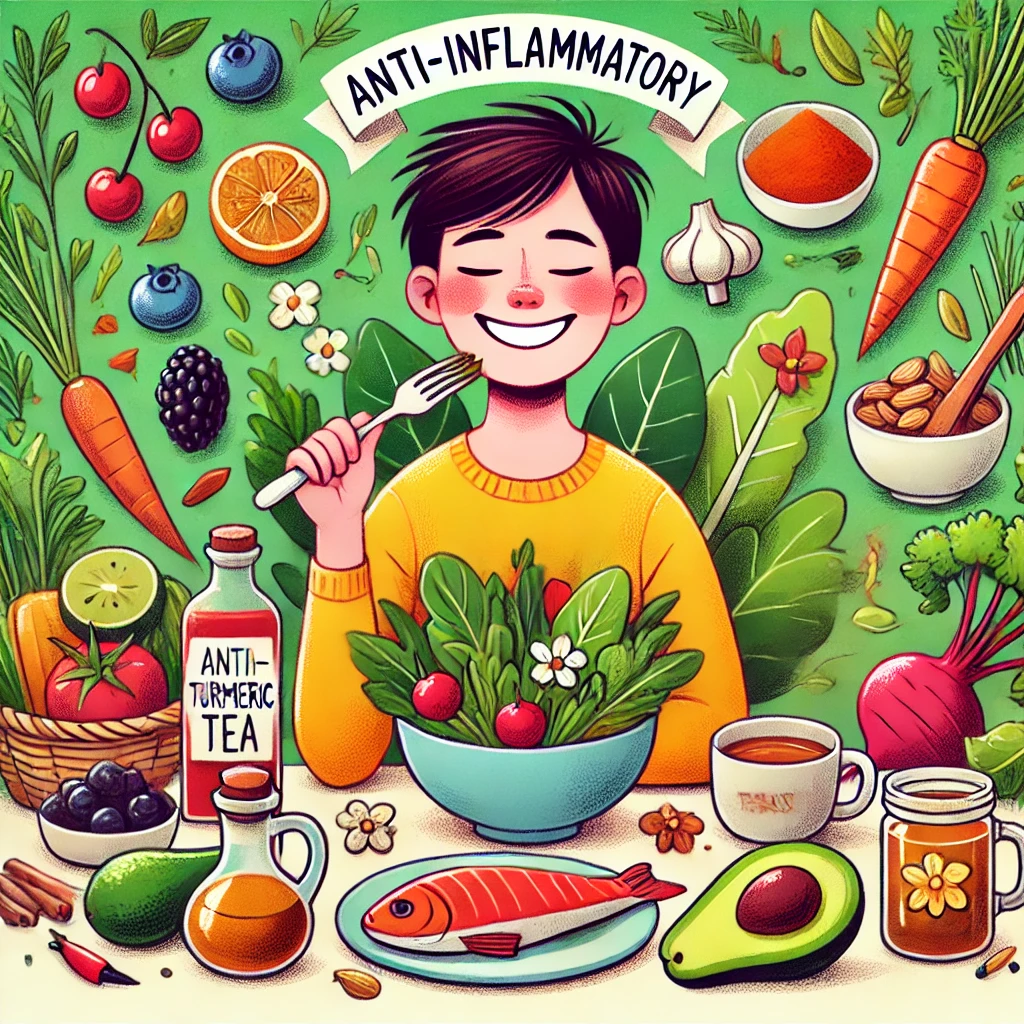
An anti-inflammatory diet isn’t just one strict plan; it’s a pattern of eating that focuses on foods known to reduce inflammation while limiting those that may contribute to it. While there’s no universal anti-inflammatory diet, a variety of research-backed approaches have been shown to be beneficial, including the Mediterranean diet and plant-based diets, both rich in anti-inflammatory compounds. Common components include:
- Fruits and Vegetables: Colourful, nutrient-dense fruits and veggies like berries, leafy greens, and broccoli are rich in antioxidants and phytochemicals that help combat inflammation.
- Whole Grains: High-fibre grains like oats, quinoa, and brown rice support gut health and help regulate blood sugar.
- Healthy Fats: Sources like olive oil, avocados, nuts, and fatty fish are packed with omega-3 fatty acids, known to reduce inflammatory markers.
- Lean Proteins: Beans, lentils, and poultry, along with the occasional lean meat or plant-based protein, provide essential amino acids without contributing significantly to inflammation.
This dietary pattern emphasizes fresh, minimally processed foods, a variety of vitamins and minerals, and limits refined sugar, trans fats, and highly processed foods.
Benefits of an Anti-Inflammatory Diet
1. Reduced Risk of Chronic Disease
Chronic inflammation is linked to health conditions like cardiovascular disease, diabetes, and cancer. By emphasizing anti-inflammatory foods and avoiding pro-inflammatory ones, individuals may reduce their risk of developing these conditions.
2. Improved Joint Health
For individuals with arthritis or other joint issues, an anti-inflammatory diet can help reduce pain and stiffness. Omega-3 fatty acids from fish like salmon and flaxseeds, as well as antioxidants from berries, have shown promise in reducing joint inflammation.
3. Enhanced Mental Health
Emerging research suggests a connection between inflammation and mental health conditions like depression and anxiety. A diet rich in anti-inflammatory foods, especially those with omega-3s, antioxidants, and fibre, may support better mental health outcomes.
4. Gut Health Support
Fibre-rich foods support a healthy gut microbiome, which has a significant impact on inflammation. Whole grains, fruits, and vegetables encourage beneficial gut bacteria, which, in turn, can help regulate inflammatory responses.
Common Fallacies About the Anti-Inflammatory Diet
Fallacy 1: It’s a Cure-All
While an anti-inflammatory diet can be beneficial, it’s not a magic cure. Inflammation is a complex process influenced by multiple factors, including genetics, stress, and lifestyle. While diet plays a role, it isn’t a standalone solution for conditions like autoimmune diseases, where medical interventions are often necessary.
Fallacy 2: Inflammatory Foods Are Poison
Some advocates of the anti-inflammatory diet demonize foods like gluten, dairy, and red meat as inherently “inflammatory.” However, the evidence is mixed and will differ between individuals. Many people tolerate these foods well, and they can be part of a healthy diet if consumed in moderation.
Fallacy 3: All Plant-Based Foods Are Anti-Inflammatory
Not all plant-based foods are beneficial for inflammation. For example, sugary fruit juices and refined grains may contribute to inflammation despite being “plant-based.” Emphasizing whole, unprocessed plants is key to maximizing anti-inflammatory benefits.
What Does an Anti-Inflammatory Diet Look Like?
Here’s an example of what a day on an anti-inflammatory diet might look like:
- Breakfast: Oatmeal topped with fresh berries, chia seeds, and a sprinkle of cinnamon.
- Lunch: Mixed greens with quinoa, cherry tomatoes, cucumber, avocado, and a handful of walnuts, drizzled with olive oil and lemon dressing.
- Snack: Sliced apple with almond butter or a handful of mixed nuts.
- Dinner: Grilled salmon with a side of steamed broccoli and sweet potatoes, seasoned with turmeric and black pepper.
- Dessert: A small piece of dark chocolate or a handful of fresh berries.
This menu emphasises fibre, healthy fats, and antioxidants, with minimal sugar and processed ingredients.
Practical Tips for Starting an Anti-Inflammatory Diet
- Choose Whole Foods: Opt for whole, unprocessed foods over pre-packaged options.
- Incorporate Omega-3-Rich Foods: Aim for fatty fish a couple of times a week or include plant-based sources like chia seeds, walnuts, and flaxseeds.
- Limit Refined Sugars and Flours: These can spike blood sugar levels, potentially leading to inflammation.
- Experiment with Anti-Inflammatory Spices: Turmeric, ginger, and cinnamon have anti-inflammatory properties and can enhance the flavour of meals.
- Balance and Moderation: Don’t cut out whole food groups without reason—balance and variety are key to sustaining any diet.
In Summary
An anti-inflammatory diet is less about rigid rules and more about making choices that support health. While it’s not a one-size-fits-all cure, eating anti-inflammatory foods can help manage chronic inflammation, support joint and gut health, and even benefit mental well-being. By focusing on whole foods, healthy fats, and fibre-rich vegetables and grains, anyone can adopt an anti-inflammatory approach to eating that’s sustainable and nourishing.