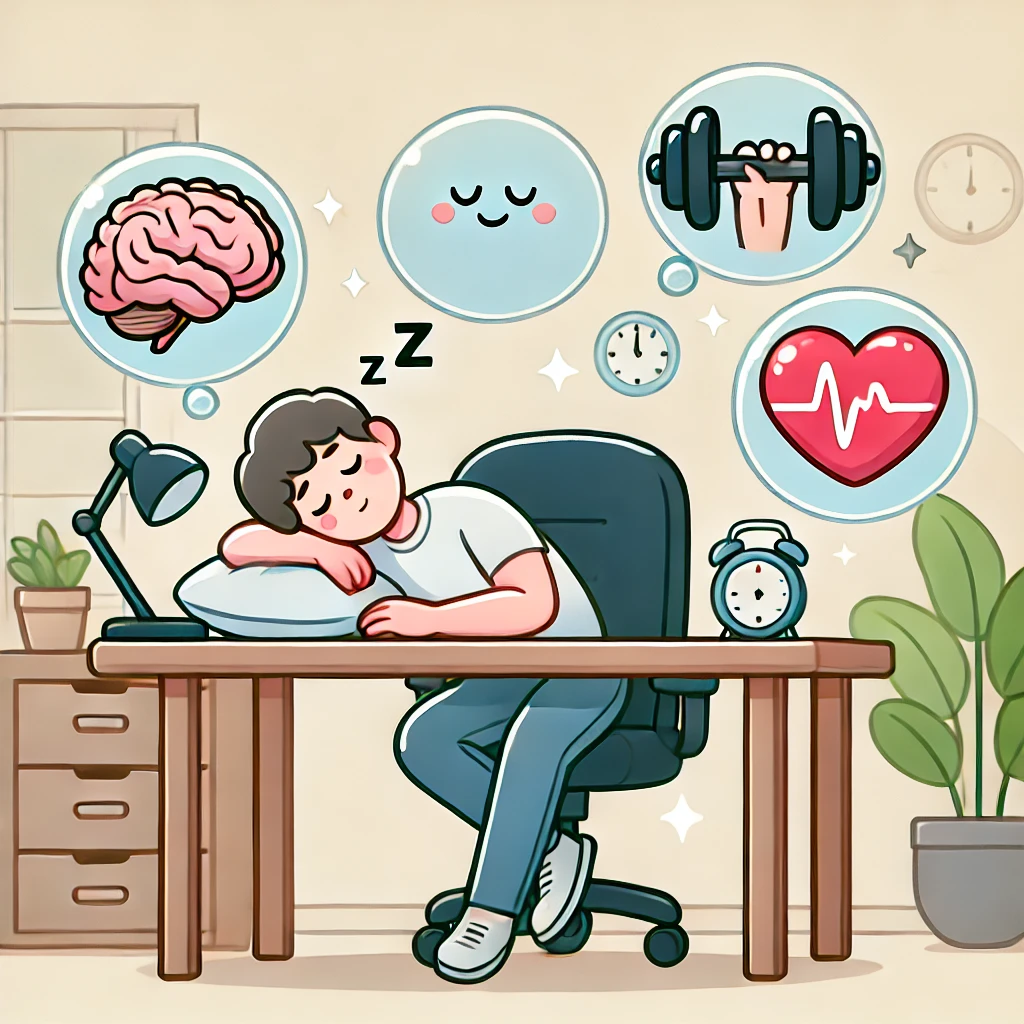
The Cognitive and Physical Benefits of Napping: Boosting Brainpower and Physical Health
Napping is often associated with childhood or moments of exhaustion, but growing research suggests it can be a powerful tool for cognitive and physical well-being at any age. Short naps—sometimes referred to as “power naps”—and longer naps have distinct impacts, providing various mental and physical benefits, from improving memory and attention to supporting cardiovascular health.
Cognitive Benefits of Napping
- Enhanced Memory and Learning Napping can significantly improve memory consolidation, which is the process of transforming new information into long-term memory. Short naps (around 10-20 minutes) primarily boost alertness, while longer naps (60-90 minutes) help facilitate deeper stages of sleep associated with memory processing. Studies show that even brief naps can enhance learning, making it easier to retain information acquired earlier in the day.For instance, a study conducted by NASA on pilots found that a 40-minute nap improved performance by 34% and alertness by 54% compared to non-napping counterparts. Similar studies show that naps can help with both declarative memory (facts and knowledge) and procedural memory (skills and tasks).
- Improved Focus and Attention Napping, even for as little as 10 minutes, can restore a sense of alertness and improve sustained attention. This is particularly beneficial for people who experience the natural “post-lunch dip” in energy and alertness during mid-afternoon. Research from the University of California, Berkeley, has found that a nap can help prevent burnout in attention and maintain focus across longer periods.
- Boosted Creativity and Problem Solving Napping, especially when it includes REM (rapid eye movement) sleep, is linked with greater creativity and problem-solving abilities. REM sleep appears to promote neural connections and associations, which can enhance creative thought. A study published in the journal Cognitive, Affective, & Behavioral Neuroscience suggests that REM sleep allows the brain to make unusual connections that contribute to creative problem-solving.
Physical Benefits of Napping
- Improved Physical Performance Short naps can reduce feelings of fatigue and boost energy, which is beneficial for athletes or anyone engaging in physical activity. A nap taken 1-2 hours before a workout can improve endurance, strength, and reaction time by allowing muscles and the central nervous system to recover. Research shows that elite athletes use napping as a recovery tool to support performance, especially after strenuous training sessions.
- Reduced Cardiovascular Stress Napping may positively impact heart health by reducing stress and lowering blood pressure. A study conducted by the American College of Cardiology found that napping once or twice per week was associated with a lower risk of cardiovascular events, such as heart attack or stroke. Naps can help decrease levels of cortisol, the body’s main stress hormone, providing a heart-protective effect.
- Support for Immune Function Sleep, including naps, plays a vital role in immune function by allowing the body to release cytokines—proteins that help fight inflammation and infection. Lack of sleep, conversely, impairs the body’s immune response, making it easier to catch illnesses. A short nap can help mitigate some of the immune stress that comes from sleep deprivation, helping the body recover faster.
How to Make the Most of Your Nap
- Optimal Duration: The ideal length of a nap depends on the goal. A 10-20 minute “power nap” provides a quick boost in alertness and focus, while a 60-90 minute nap allows for full sleep cycles, supporting memory and creativity.
- Timing: The best time to nap is in the early afternoon, generally between 1-3 p.m., to coincide with natural dips in energy. Napping too late in the day can interfere with night sleep.
- Create a Relaxing Environment: Find a quiet, dimly lit area to rest. Use a blanket or pillow if possible to help your body relax, and consider setting an alarm to avoid oversleeping.
Final Thoughts
Napping isn’t just a luxury; it’s a valuable tool for mental and physical wellness. From boosting cognitive functions to supporting physical health, napping can improve daily performance and contribute to long-term health. By understanding the science behind napping and applying it to everyday life, you can use naps to work smarter, feel better, and support a healthy lifestyle.
If you’d like to explore further, the American Academy of Sleep Medicine provides extensive research on sleep and its benefits, as does the National Sleep Foundation, both of which offer guidelines on incorporating naps into daily routines for health benefits.